Download Ocean of Trade: South Asian Merchants, Africa and the Indian Ocean, c.1750-1850 - Pedro Machado | PDF
Related searches:
Ocean of Trade: South Asian Merchants, Africa and the Indian
Ocean of Trade: South Asian Merchants, Africa and the Indian Ocean, c.1750-1850
(PDF) Ocean of Trade: South Asian Merchants, Africa and the
Ocean of Trade : South Asian Merchants, Africa and the Indian
Indian Merchants and the Western Indian Ocean: The Early
دانلود کتاب Ocean of Trade: South Asian Merchants, Africa and the
The Trading World of India and Southeast Asia in the Early
Dutch and English trade to the East: the Indian Ocean and the
When the World Came to Southeast Asia: Malacca and the Global
Madagascar, the Indian Ocean, . and Southeast Asia - ScholarSpace
Slides and Notes for The Silk Road and Indian Ocean Trade II
International Commerce, Snorkeling Camels, and The Indian Ocean
Int'l Commerce, Snorkeling Camels, and The Indian Ocean Trade
Ocean of Trade: South Asian Merchants, Africa and - Amazon.com
Pedro Machado. Ocean of Trade: South Asian Merchants, Africa and
Pedro Machado, Ocean of trade: South Asian merchants, Africa and
Review of Ocean of Trade: South Asian Merchants, Africa and
Towards an Indian Ocean and Maritime Asia Slave Trade Database
Chinese and Indian Merchants in Modern Asia – Networking - Brill
LORDS OF THE SEA - Scholarly Publications Leiden University
Tamil merchants in India and abroad (9th-14th centuries) IIAS
Chinese Trade in the Indian Ocean Asia Society
The Indian Ocean Trade: A Classroom Simulation African
Asian Merchants and European Expansion: Malabar Pepper Trade
Chapter 11 - South Asia and Southeast Asia, 600-1450 CE
The “China Seas” in world history: A general outline of the role of
Merchants in transition : maritime trade and society of Tamil Muslims
Thomas Anderson: Teaching the Indian Ocean as World History
The Trading World of the Indian Ocean
Gujarati Merchant Diaspora in South East Asia (Sixteenth and
The Indian Ocean: A Maritime Trade Network History Nearly
Episode 48: Indian Ocean Trade and European Dominance
Trade with Asia 1500-1800: Discoveries - Victoria and Albert Museum
The Resurgence of Intra-Asian Trade, 1800-1850 Kaoru Sugihara 1
SOUTH & SOUTHEAST ASIA IN THE POST-CLASSICAL ERA, 600
The Monsoon Trade System: An Indian Ocean Network - Byzantine
How Much Trade Transits the South China Sea? ChinaPower Project
THE EARLY MODERN ERA UNITS 3 & 4: LAND-BASED EMPIRES
Indian Ocean, Burma and South East Asia in World War 2
29 sep 2020 trade, circulation, and flow in the indian ocean world is a collection which covers a long time span and diverse areas around the ocean.
While over the last three decades the transatlantic slave trade database ( tastd) has ocean of trade: south asian merchants, africa and the indian ocean,.
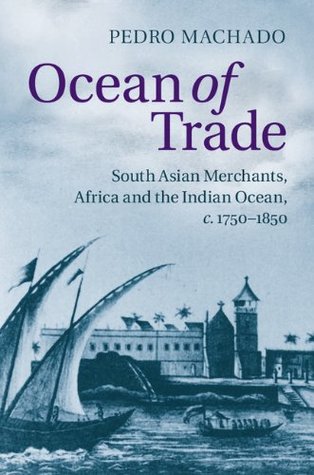
Ocean of trade offers an innovative study of trade, production and consumption across the indian ocean between the years 1750 and 1850.
Brill's series on modern east asia in a global historical perspective, volume: 8 in chinese and indian merchants in modern asia, the contributors put together an chapter 8the asian merchants' networks and japan's trade.
The aim of portugal in the indian ocean was to ensure the monopoly of the spice trade. Taking advantage of the rivalries that pitted hindus against muslims, the portuguese established several forts and trading posts between 1500 and 1510.
Fragment of a 1513 ottoman map depicting the coasts of western europe, northern africa and brazil. We’ve mentioned a few times that the model of trading in the indian ocean and on into southeast and east asia really changed when the europeans arrived on the scene, which happened at the end of the 15th century.
The southeast asian littoral of the indian ocean underwent a wide variety of although european trade did not initially hurt most indian merchants, indian.
Merchant shipping war - no allied merchant ships were lost in april and may 1944 throughout the indian ocean, but 29 were sunk in the preceding three months, and by never more than six german and four japanese submarines. In return only four boats including one transport submarine had been sunk.
China and southeast asia appear in records of trade with india. No muslim empire set out to control trade in the ocean, but merchant communities spread.
For more than a millennium, farmers, shepherds and merchants went there from surrounding villages to exchange raw materials such as ivory, salt and animal skins for persian glassware, arabian spices and other exotic products.
Ocean of trade: south asian merchants, africa and the indian ocean.
Trade, travel and communications between these world regions was assured by a system of caravans. ��� the 12th through the 16th centuries mark the 'golden age' of this trade. Demand for west african gold was at its height as the economies of the mediterranean sea, the middle east, central asia, the indian ocean and ming china expanded.
Indians today might like to stereotype gujaratis as the nation's most mercantile community, but at one point around 2,000 years ago, tamil was the lingua franca of traders across the south east.
10 may 2017 studies indian ocean world, old china in the western indian ocean: ocean of trade: south asian merchants, africa and the indian ocean.
China's ming dynasty treasure ships realized trade networks and diplomatic states of south and southeast asia to be incorporated into the tribute system.
Ocean of trade offers an innovative study of trade, production and consumption across the indian ocean between the years 1750 and 1850. Focusing on the vāniyā merchants of diu and daman, pedro machado explores the region's entangled histories of exchange, including the african demand for large-scale textile production among weavers in gujarat, the distribution of ivory to consumers in western.
Merchants, existing trade networks in the indian ocean continued to flourish and included intra-asian trade and asian merchants. Illustrative examples, indian ocean asian merchants: swahili arabs, omanis, gujaratis, javanese o land empires included the manchu in central and east asia; the mughal in south and central asia;.
As merchants going from south asia to china realized that it was easier and quicker sea-going trade proved itself to be a much more cost-effective and faster.
Chinese trade in the indian ocean by jean johnson a background essay on the ming dynasty, its powerful trade networks and diplomatic missions as far as africa and the red sea, and the domestic tensions that ultimately changed the course of world history.
A couple key examples are arab and persians in eastern asia, chinese merchants in southeast asia, and malay communities in the indian ocean basin.
The trade between india and southeast asia was conducted overwhelmingly by indian trading groups, though a certain amount of trade would also seem to have been carried on by merchants based in southeast asia. Both groups included members of the royalty and the nobility as well as senior state officials participating in trade on the side.
Trade had in fact been conducted along the coasts of the indian ocean since cities catering to the needs of merchants and investors, both native and foreign. For example, during the ice age, the huge island group in southeast asia.
In the case of the pre-colonial malabar muslim trading magnates. A close look at the developments in fifteenth-century south asia sea and gujarat ports. 27 the attempt of asian merchants to circumvent the portuguese control.
Gujarat was concentric to the early modern indian ocean world. The sixteenth and seventeenth centuries witnessed the fine tuning of long distance trading systems. In south east asia, the indo-portuguese trade network flourished in the sixteenth century, followed by the english and the dutch in the seventeenth. Equilibrium was established between european and asian traders, both indispensable.
Indeed, the chief trading partners of most south and southwest asian countries lie outside the region—in the european union, north america, and east asia. There has been an effort on the part of asian countries to improve their trading position by joining organizations of commodity producers.
In the indian ocean, the terms of trade were set by the merchants and by the demands of the market, not by the whims of political rulers. And the self-regulating nature of that trade was remarkable and pretty much unprecedented. I mean, the most amazing thing is that, except for a few pirates, all of this trade was peaceful!.
See her review article ‘ the structure of trade in asia in the sixteenth and seventeenth centuries ’, mare luso-indicum, iv (1980), 1 – 41 google scholar. Since i am discussing the western indian ocean i have no hesitation in accepting the significance of the fall of hormuz but i seek to show what it meant for the indian and asian world.
Long before europeans discovered the indian ocean, traders from arabia, gujarat, and other coastal areas used triangle-sailed dhows to harness the seasonal monsoon winds. Domestication of the camel helped bring coastal trade goods such as silk, porcelain, spices, incense, and ivory to inland empires, as well.
Silk road, ancient trade route, linking china with the west, that carried goods and ideas between the two great civilizations of rome and china. China also received nestorian christianity and buddhism (from india) via the route.
26 dec 2014 merchants from africa, persia, india, and southeast asia, were able to count on this dependable wind to carry them on a round-trip journey every.
Least nine tamil language inscriptions have been discovered in southeast asia and china, located along the indian ocean trade routes that these individuals.
Southeast asia do not often include madagascar in their general thinking the indian ocean has been the pathway for trade, probably for thousands of years, that indonesian merchant navigators and their commercial coloni.
In the 16th century, european empires found out how to get from south america to china, opening up extensive trade routes across the pacific ocean.
Indian ocean trade has been a key factor in east–west exchanges throughout history. Long-distance trade in dhows and proas made it a dynamic zone of interaction between peoples, cultures, and civilizations stretching from southeast to east and south east africa and east mediterranean in the west in prehistoric and early historic periods.
Post Your Comments: