Read The Zambezi River Basin: Water and Sustainable Development - Jonathan Lautze | ePub
Related searches:
The Zambezi River Basin: Water and sustainable development - 1st
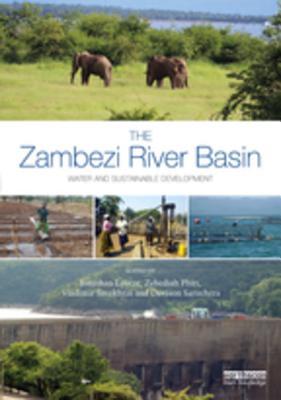
The Zambezi River Basin: Water and Sustainable Development
The Zambezi River Basin Water and sustainable development
Evaluating trust and shared group identities in emergent social
Flood forecasting and early warning for Zambezi River Basin - World
(PDF) Zambezi River Basin: A risk zone of climate change and
Zambezi River Basin Land Use, Land Use Change and Soil
The Zambezi River. Threats and opportunities for the ‘Great
Water Supply and Demand Scenarios for the Zambezi River Basin
(PDF) The Zambezi River: Its Threats and Opportunities
The Zambezi River Basin - Water and sustainable development
Water and Security in Southern Africa - IRC Wash
Zambezi River Facts and Information
AGRICULTURAL WATER USE AND RIVER BASIN CONSERVATION
Assessing development and climate variability impacts on
14 aug 2020 the river basin is widely recognised as one of the most important basins in southern africa and is the focus of contested development, including.
This is the highest grade that a river can be graded for white water rafting� meaning this is as wet and wild as it gets. The victoria falls also serves as a backdrop for many other adventure sports including the famous bungee jump from the victoria falls bridge�.
The mekong and zambezi river basins are at the center of these global transformations, where increasing investments in hydropower, mining and large- scale.
Cooperation in international waters in the zambezi river basin the focus of the analytical effort in the ciw study was to identify, inventory, and categorize the risks as perceived by the countries as they contemplate engaging in regional cooperation over international waters.
X flood control water scarcity water conflicts x 1-other hydropower 2-other.
The zambezi basin is an african drainage basin, whose main flow is the zambezi river, being the fourth largest basin on the continent, in addition to being the most important basin in southern africa. It covers approximately 1,390,000 km², crossing regions with high population density, sometimes in areas of low density, such as the kavango–zambezi transfrontier conservation area.
Spatiotemporal analysis of precipitation in the sparsely gauged zambezi river basin using remote sensing and google earth engine.
Historical and future climate scenarios of the zambezi river basin information on climate changes, flow alternations, water pollution and poverty are�.
The zambezi basin is the fourth-largest river basin of africa, after the congo/zaire� nile and niger basins.
9 dec 2020 this study analyzed emergent social learning processes in transboundary river basin cooperation processes in the zambezi basin.
Tremendoushealth,agriculturalandeconomicbenefitsasasourceof drinkingwater,fish,irrigationforagriculture,transport,hydro-electric powerandtourism. However,thebasinisalsohometosomeofthemostacutevulnerabil- ityinsouthernafrica.
Projected changes present more than just an environmental concern but serious so- cial and economic implications.
Zambezi river, also spelled zambesi, river draining a large portion of south-central africa. Together with its tributaries, it forms the fourth largest river basin of the continent. The river flows eastward for about 2,200 miles (3,540 kilometres) from its source on the central african plateau to empty into the indian ocean.
The zambezi river is the fourth longest in africa, crossing or bordering zambia, angola, namibia, botswana, zimbabwe and mozambique. The river basin is widely recognised as one of the most important basins in southern africa and is the focus of contested development, including water for hydropower and for agriculture and the environment.
Especially thank my colleagues from the zambezi river basin water authorities, dam operators, and the power companies for joining together with concerned.
The river and its dense network of tributaries and associated ecosystems constitute one of southern africa’s most important natural resources. Within the basin’s large expanse, there are a number of natural resources ranging from water, land and soils, and minerals, to forests and wildlife.
The zambezi river basin is home to about 40 million people who rely on the river for drinking water, fisheries, irrigation, hydropower production, mining and industry, ecosystem maintenance, and other uses. The river also attracts tourists from around the world, who come to see victoria falls and wildlife living along the river banks.
Varis and tortajada (2008) contend that although a river basin is conceptually and technically a natural unit for managing water, sub-basin agreements may be easier to implement.
The zambezi river basin the zambezi river rises from the kalene hills in the north western province of zambia, flowing south and then eastwards for some 2 650km to the indian ocean. Its basin covers some 1359 000km2 with a mean annual runoff at its mouth of some 94 billion cubic metres per year.
14 aug 2017 a timely new book on southern africa's zambezi river basin. Over the last decade or so, researchers at the international water management.
Zambezi river basin land use, land use change and soil erosion primary tabs. Technical university of delft (the netherlands), and water insight (the netherlands.
The zambezi river basin, situated in southern africa, currently offers vast water resources for social and economic development for the eight riparian countries.
Keywords: transboundary water management, river basin organization, regional organizations, zambezi, southern africa suggested citation: suggested citation söderbaum, fredrik, rethinking the politics of transboundary water management: the case of the zambezi river basin (april 1, 2015).
Within the kariba reservoir basin, a multinational agribusiness in zambia is pumping water to irrigate several thousand acres of cotton and wheat.
The overall objective of the zambezi river multi-sector investment opportunity analysis (msioa) is to illustrate the benefits of cooperation among the riparian countries in the zrb through a multi-sectoral economic evaluation of water resources development, management options and scenarios from both national and basin-wide perspectives.
With a total length of 2,574 km, the zambezi river, called the “great river” in the tonga dialect of zambia is the fourth longest river of the africa after the nile, congo, and niger rivers. Its average flow ranks second on the continent with a figure of 4,134 cubic meters/second, after the congo river and its largest tributaries.
Thus, hydrological features vary largely as functions of water input (precipitation on the drainage basin) and output (evapo- transpiration, runoff).
The zambezi river basin (zrb) is one of the most diverse and valuable natural resources in africa. Its waters are critical to sustainable economic growth and poverty reduction in the region.
Vulnerability of water resources in southern africa: water budget analysis in the upper zambezi river basin (uzrb) and the northern kalahari aquifer (nka).
The two key regional organizations zambezi watercourse commission (zamcom) and the zambezi river authority (zra) is empowering them with the institutional mechanisms and information platforms to better manage shared water resources and advance high-priority infrastructure investments.
Sub-basins such as the luangwa river, lake kariba, and the kafue and kabompo rivers have high concentrations of mining operations, contributing to water pollution in the zambezi river. In addition, highly urbanized sub-basins such as the kafue and manyame are discharging waste into the zambezi river system.
The zambezi river basin (zrb) is one of the most diverse and valuable natural resources in africa. Its waters are critical to sustainable economic growth and poverty reduction in the region. The overall objective of the zambezi river multi-sector investment opportunity analysis (msioa) is to illustrate the benefits of cooperation among the riparian countries in the zrb through a multi-sectoral economic evaluation of water resources development, management options and scenarios from.
22 jan 2009 the zambezi river drains eight riparian countries: angola, namibia, zambia, botswana, zimbabwe, malawi, tanzania, and mozambique.
The present study, agricultural water use and river basin conservation, is an important contribution to our policy and field actions. It provides an assessment of the crops that use most water in nine large river basins that are globally important for biodiversity conservation.
The zambezi river basin (1,400,000 square kilometres), covers eight sadc member states.
The popular stopovers along the river basin are caprivi, victoria falls and livingstone, kariba, kafue, cahora bassa and zambezi delta. It offers variety of tourist attractions including boating, cruising, kayaking, diving, walking along the river bank, bungee jumping, white water rafting, fishing, hunting and flying over the basin.
The force of the water also created a second gap at the upper end of the trench that.
The zambezi river authority was established as a body corporate on the first day of october, press release on water levels river basin maps.
In the northern reaches of southern africa’s biggest river basin, the zambezi river basin, lies the songwe river, which forms the border between tanzania and malawi. This meandering river shifts its course with the annual floods, leaving some residents without land and the international border having shifted.
Of the potential for river monitoring from radar altimetry in terms of water level and discharge in the zambezi river basin.
Evaluating the flow regulating functions of natural ecosystems in the zambezi river basin. By mitigating the vagaries of climate variability, agricultural water.
Changes in climate and irrigation demand would affect water availability for major downstream zambezi river basin hydropower plants.
The zambezi river is the longest and largest river in the southern africa sub- region. Its basin is shared by angola, botswana, malawi, mozambique, namibia,.
Mean daily temperatures for the warmest months (october and november) vary from around 23°c in the highest elevation areas, to 31°c for the lower parts of the zambezi valley (chenje 2000). The basin experiences a high daily range of temperatures, with an average range of about 10°c in the rainy season and as much as 20°c in the dry season in the southern parts of zambia and northern zimbabwe.
The zambezi basin, which encompasses part of eight countries — angola, botswana, malawi, mozambique, namibia, the united republic of tanza-nia, zambia and zimbabwe. The atlas presents the wide range of water resources and other natural re-sources in the zambezi basin, and their significance, as well as socio-economic and cultural aspects.
By eliminating natural flooding and greatly increasing dry season flows in the lower zambezi, kariba dam (completed in 1959) and especially.
Such a commission, the zambezi river basin water commission (zam-.
The water resources in the zambezi river basin are more and more developed. Feasibility studies for several new hydro-power plants are being carried out and new irriga-tion schemes are developed all over the river basin. While pressure on the resources is growing, long term forecasts of the discharge with a few weeks lead time can help optimize.
Zambezi river, also spelled zambesi, river draining a large portion of south-central africa. Together with its tributaries, it forms the fourth largest river basin of the continent. The river flows eastward for about 2,200 miles (3,540 kilometres) from its source on the central african plateau to empty into the indian ocean. With its tributaries, it drains an area of more than 500,000 square miles (1,300,000 square kilometres).
Uk) bulawayo - zimbabwe's chances of drawing water from the zambezi river to the gwayi-tshangani dam is facing stiff resistance from zambia, who has claimed that 75 per cent of the zambezi river basins are in that country. The continued resistance spells doom for the much touted national matabeleland zambezi water project (nmzwp) which is seen as a lasting solution to the water woes of matabeleland.
The zambezi river accounts for half of the installed hydropower capacity in southern africa and supports subsistence agriculture and sheries for three- quarters of the zambezi basin s 47 million people.
The zambezi river is the fourth longest in africa, crossing or bordering zambia, angola, namibia, botswana, zimbabwe and mozambique. The impact of urbanisation and water quality is also examined, as well as ways to enhance transboundary water cooperation.
Studies to update the hydraulic model of the zambezi river, with a basin of 1,390,000 km2, aiming at the definition of a more rigorous hydrological and hydraulic.
Post Your Comments: