Read Voice of the Buddha: Buddhaghosa on the Immeasurable Words - Maria Heim | ePub
Related searches:
Voice of the Buddha: Buddhaghosa on the - Amazon.com
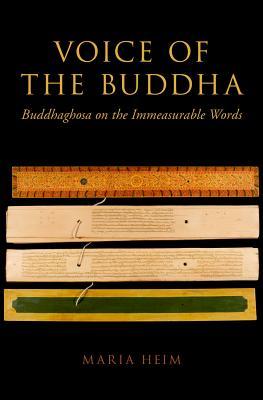
Voice of the Buddha: Buddhaghosa on the Immeasurable Words
Voice of the Buddha: Buddhaghosa on the Immeasurable Words: by
Voice of the Buddha - Maria Heim - Oxford University Press
Voice of the Buddha Reading Religion
Voice of the Buddha: Buddhaghosa on the Immeasurable Words by
Voice of the Buddha: Buddhaghosa on the - Google Books
Voice of the Buddha: Buddhaghosa on the immeasurable words
Amazon.com: Voice of the Buddha: Buddhaghosa on the
Voice of the Buddha : Buddhaghosa on the immeasurable words
Voice of the Buddha : Maria Heim : 9780190906658
The Science of Buddhism — exploring the historical and conceptual
The Forerunner of All Things: Buddhaghosa on Mind, Intention, and
The Forerunner of All Things: Buddhaghosa on Mind - Goodreads
The language of early Buddhism - De Gruyter
Voice of the Buddha.Buddhaghosa on the Immeasurable Words
The Buddha’s Teaching
THE PRODUCTION OF LAY BUDDHIST VIRTUOSITY IN THE
The Dhammapada: The Buddha's Path of Wisdom - Access to Insight
The Nibbāna of Mahākassapa the Elder: Notes on a Buddhist
The Great Elder, Maha Thera Shin Gavempti invited the Buddha
The Guardians of the World - Access to Insight
Careful attention and the voice of another In Dialogue with
Buddhaghosa Stories – The Gold Scales
Voice of the buddha is a study of the intellectual practices and theories of scripture developed by the fifth-century thinker buddhaghosa, the principal commentator, editor, and translator of the theravada buddhist intellectual tradition.
Voice of the buddha is a study of the intellectual practices and theories of scripture developed by the fifth-century thinker buddhaghosa, the principal.
Cambridge core - philosophy: general interest - buddhist ethics.
His name means reverend teacher (bhadanta+ācariya) and voice of the buddha (buddha+ghosa) in pali. [6] the biographical excerpts attached to works attributed to buddhaghosa reveal relatively few details of his life, but were presumably added at the time of his actual composition.
Buddhaghosa lived the 5th century ad and is known to be one of the greatest pali scholar.
In the]\i[aluioamsa' which says that buddhaghosa was so-called because his voice was asdeep and commanding as that of the buddha hardly deserves credence. The author of the buddhaghosu p-poui himself appears to be uncertain, because he offers two or three theories in an attempt to explain the name.
This element first offers a brief overview of buddhist thought and modern scholarly approaches to its diverse forms of moral reflection. It then explores two of the most prominent philosophers from the main strands of the indian buddhist tradition – buddhaghosa and śāntideva – in a comparative fashion.
The name buddhaghosa means voice of the buddha (buddha+ghosa) in pali, the language in which buddhaghosa composed. In sanskrit, the name would be spelled buddhaghoṣa (devanagari बुद्धघोष), but there is no retroflex ṣ sound in pali, and the name is not found in sanskrit works.
His functions are to give the minimum of such material needed for historical clarity and, occasionally, to summarize portions of the canon itself. First voice� the voice of the elder ānanda, the disciple and personal attendant of the buddha, who recited the discourses (or suttas) at the first council, held at rājagaha three months.
“bhadantācariya buddhaghosa was a 5th century indian buddhist theravadin commentator and scholar. Buddhaghosa means ‘voice of the buddha’ in the pali language. He translated extensive sinhalese commentaries on the pali buddhist texts into pali.
Thus, an understanding of the buddha's philosophical voice has generally been (cetana) in the pali tipi?aka and in buddhaghosa.
The voice of the buddha: buddhaghosa on the immeasurable words. The forerunner of all things: buddhaghosa on mind, intention, and agency. Theories of the gift in south asia: hindu, buddhist, and jain reflections on dāna.
Maria heim, voice of the buddha: buddhaghosa on the immeasurable words maria heim, the forerunner of all things: buddhaghosa on mind, intention, and agency (2013) u dhammaratana, guide through the visuddhimagga (2011).
The forerunner of all things: buddhaghosa on mind, intention, and agency voice of the buddha: buddhaghosa on the immeasurable words.
6 jun 2019 maria heim's voice of the buddha presents the reader with a philosophical exploration of the textual practices of the fifth-century buddhist.
Voice of the buddha: buddhaghosa on the immeasurable words, is the second of two skillfully researched and beautifully written books by maria heim on the pāli commentarial corpus of the iconic 5th-century theravāda scholar-monk, buddhaghosa.
In chapter 10, maria heim will engage the theme of interpretation by considering the dialogical nature of the pali suttas.
Bhadantacariya buddhaghosa was a 5th century indian theravadin buddhist commentator and scholar. His best known work is the visuddhimagga, or path of purification, a comprehensive summary and analysis of the theravada understanding of the buddhas path to liberation.
1 oxford university press is a department of the university of oxford. It furthers the university’s objective of excellence in research, scholarship, and education by publishing worldwide.
Early indian and theravada buddhism: soteriological controversy and second a modern debate held between two leading voices in theravada buddhism, the most influential theravada exegete, the 5th century ce figure, buddhaghosa.
Voice of the buddha is a study of the theories of scripture described and practiced by the 5th-century thinker buddhaghosa, the principal commentator of the theravada intellectual tradition. By bringing to the fore buddhaghosa's theories of texts and commentarial practices, heim casts new light on early pali texts and the commentarial system.
According to the theravada buddhist tradition, each verse in the dhammapada was originally spoken by the buddha in response to a particular episode.
The biographical excerpts attached to works attributed to buddhaghosa reveal relatively few details of his life, but were presumably added at the time of his actual composition.
What would a buddhist theory of texts look like through the lens of the 5th-century thinker buddhaghosa? in voice of the buddha, maria heim reads from the principal commentator, editor, and translator of the theravada intellectual tradition, yielding fresh insight into all three collections of the early pali texts: vinaya, the suttas, and the abhidhamma.
In voice of the buddha, maria heim reads from the principal commentator, editor, and translator of the theravada intellectual tradition, yielding fresh insight into all three collections of the early pali texts: vinaya, the suttas, and the abhidhamma. Buddhaghosa considered the buddha to be omniscient, the buddha's words to be oceanic.
Voices regarding the religious practices of buddhist lay persons and the place of saratthadīpani of sariputta, which is a sub-commentary to buddhaghosa'a.
28 mar 2019 historical and conceptual roots of buddhism|utokyo voices 054 buddhist thought: from the buddha to buddhaghosa (shunjusha),.
Com: voice of the buddha: buddhaghosa on the immeasurable words ebook: heim, maria: kindle store.
Buddhaghosa was a 5th-century indian theravada buddhist commentator, translator and the name buddhaghosa means voice of the buddha ( buddha+ghosa) in pali, the language in which buddhaghosa composed.
12 sep 2018 what would a buddhist theory of texts look like through the lens of the 5th-century thinker buddhaghosa? in voice of the buddha, maria heim.
Buddhaghosa bhadantācariya buddhaghosa was a 5th century indian theravadin buddhist commentator and scholar.
He was called this because he completed many respected written works on buddhism.
In voice of the buddha, maria heim reads the early buddhist scriptures with buddhaghosa, the principal commentator, editor, and translator of the theravada intellectual tradition. Buddhaghosa considers the buddha to be omniscient and his words oceanic.
Bhadantācariya buddhaghosa was a 5th-century indian theravadin buddhist commentator and scholar. His best-known work is the visuddhimagga, or path of purification, a comprehensive summary and analysis of the theravada understanding of the buddha's path to liberation.
'voice of the buddha' is a study of the intellectual practices and theories of scripture developed by the fifth-century thinker buddhaghosa, the principal.
Post Your Comments: