Read What Have We Done: The Moral Injury of Our Longest Wars - David Wood file in ePub
Related searches:
An accident injury lawyer can be a saving grace if you’re in an accident and were not at fault. Many companies will refuse to help you out and you could have medical bills and property damages that need to be paid.
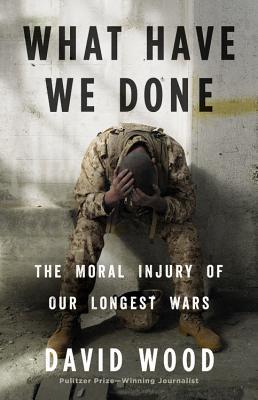
David wood does just that in a new book called what have we done: the moral injury of our longest wars. Wood, a quaker who conscientiously objected to the vietnam war and rendered alternative service, subsequently became a war correspondent for four decades, earning a pulitzer for his work.
What have we done, the main title of david wood’s book about the moral injuries of soldiers, captures the compelling reason for why we need to discuss moral injury as related to the family separation policy.
Moral injury • they have seen the darkness within them and within the world, and it weighs heavily upon them. • “i would bet anything, that if we had the wherewithal to do this kind of research we’d find that moral injury underlies veteran homelessness, criminal behavior, suicide.
Wood draws on jonathan shay's notion of moral injuries -- psychic wounds, as distinguished from the more physiological understanding of wartime trauma encompassed by ptsd -- and deepens our awareness of the pain that veterans of long, bad wars endure.
What is known is that across the world, those suffering from greater moral injury have difficulty addressing their internal conflicts and that a failure to do so can lead to somatic symptoms.
In what have we done: the moral injury of our longest wars, david wood examines this oft-ignored issue through portraits of combat veterans, mental health researchers, and his personal observation of the wars in iraq and afghanistan and their impact on the young americans deployed to them.
What is moral injury moral injury is the damage done to one’s conscience or moral compass when that person perpetrates, witnesses, or fails to prevent acts that transgress one’s own moral beliefs, values, or ethical codes of conduct.
Moral injury is the trauma of moral conscience when harm cannot be amended and empathy yields only pain and self-condemnation. Moral emotions, such as guilt, shame, remorse, and outrage at others, result in broken trust, poor health, social isolation, and, in extreme cases, suicide or violence.
Back in 2014 i was interviewed by david wood for his book what have we done: the moral injury of our longest wars. After the interview i kept going with life struggling with the daily effects of ptsd, tbi, and moral injury in my life.
Moral injury is a normal human response to perpetrating, failing to prevent, witnessing, or hearing about acts or events that violate conscience and challenge an individual’s core moral foundations and codes of conduct. It can also come from losing beloved comrades, handling human remains, or failing to prevent harm to others.
The concept of moral injury (mi) has become much more of a mainstream construct in mental health treatment over the last decade. In my research for this article, i reviewed my colleague’s observations and perspectives on the theoretical development, assessment and treatment.
“i would bet anything, that if we had the wherewithal to do this kind of research we'd find that moral injury underlies veteran homelessness, criminal behavior.
The key to recognizing moral injury for what it is and for fixing it in health care requires two key points about ethics to be taken seriously.
What we have heard clearly from those clinicians is, “this is the language that reflects my experience. ” given conversations on social media, in the lay press, and increasingly in academic journals, the thought experiment we published in 2018 has changed the language of clinician distress.
Some of the symptoms of ptsd and moral injury overlap, including anger, depression, insomnia, nightmares, anxiety, and substance abuse. Additionally, the following symptoms are more specific to moral injury: grief, guilt, and shame. If you’re a veteran who experienced moral injury, you may have ongoing, continuous.
3 mar 2020 “we don't have a consensus definition or way of measuring moral injury—so it's still a construct, a hypothetical idea.
Common back injuries include sprains and strains, herniated discs and fractured vertebrae. Your back is made of bones, muscles, and other tissues extending from your neck to your pelvis.
With what have we done david wood has written what may be one of the best, most riveting and accessible presentations on moral injury and how it differs from post-traumatic stress disorder (ptsd). David wood is a major voice moving moral, ethical and spiritual dimensions front and center in understanding and helping our warriors.
What have we done, like ancient epics, is comprised of discrete episodes (chapters), but various characters recur through the chapters as they learn that to be in war is to be exposed to moral injury. Almost all return with some sense of unease about what we’ve seen and done, about how well we and others have lived up to our own standards.
In this groundbreaking new book, david wood examines the far more pervasive yet less understood experience of those we send to war: moral injury, the violation.
Moral injury occurs when health care providers are “repeatedly expected, in the course of providing care, to make choices that transgress their long-standing, deeply held commitment to healing,”.
Moral injury •they have seen the darkness within them and within the world, and it weighs heavily upon them. •“i would bet anything, that if we had the wherewithal to do this kind of research we’d find that moral injury underlies veteran homelessness, criminal behavior, suicide.
What have we done: the moral injury of our longest wars david wood. Wood, a longtime war correspondent, takes on the monumental.
Shay coined the term moral injury as a way to describe the traumatic feelings of betrayal and shame that many of his vietnam veteran patients felt when the military violated the moral construct.
Featuring portraits of combat veterans and leading mental health researchers, along with wood's personal observations of war and the young americans deployed in iraq and afghanistan, what have we done offers an unflinching look at war and those who volunteer for it: the thrill and pride of service and, too often, the scars of moral injury.
24 may 2018 huntington, 1957), such that, according to litz, 'service members have to follow orders, and if [they are] ordered to do something it is by definition.
20 nov 2019 in this article, i argue that moral injury in combat veterans can be as good people who did their best to act honorably in the tragic, morally.
“this book is a tremendous contribution to understanding moral injury, pulitzer prize journalist, author of what have we done: the moral injury of our longest.
It may be common, but that doesn't make a meniscus tear any less painful. Learn how this injury affects your knee and why surgery isn't always necessary.
Since our article appeared in stat, we have discussed, debated, and reconsidered our thoughts about moral injury with audiences across the breadth of health care — in person, on podcasts, by phone and email, on social media, and from podia across the country. In the process, we have learned that the concept of moral injury resonates.
1 nov 2016 with what have we done david wood has written what may be one of the best, most riveting and accessible presentations on moral injury.
Tuesday 9th february 2021 we were delighted to welcome over 150 professionals who joined us for our moral injury in healthcare settings online conference.
The psychological and moral aspects of war and trauma are not well-understood, and wood's book is a welcome contribution to read review.
Moral injury is when one feels they have violated their conscience or moral compass when how do you know if you or a loved one suffers from moral injury�.
Moral injury moral injury, which can be defined as a profound change in or betrayal of one’s sense of right or wrong, is a concept relatively new to psychology.
What have we done *winner of the 2017 dayton literary peace prize* from pulitzer prize--winning journalist david wood, a battlefield view of moral injury, the signature wound of america's 21st century wars. Most americans are now familiar with post traumatic stress disorder (ptsd) and its prevalence among troops.
Sports can provide many positive impacts on your life, but they can also result in injury. But an injury sports can provide many positive impacts on your life, but they can also result in injury.
Veterans carry moral injuries with them because often they are too ashamed to tell anyone. One of the most healing things veterans can do is share these.
Examples of moral values include faithfulness in marriage, patriotism, respect for one's parents, love for neighbors, and tolerance of different beliefs.
4 nov 2019 we found that most evidence of moral injury, and its impact on that command gave negligent orders or did not adequately supply troops.
Veterans recruited at the new jersey veteran affairs completed the paper questionnaire. We found spirituality and moral injury were negatively associated with physical health, ment, “i have had difficulty reconciling my religious.
Moral injury can occur when someone engages in, fails to prevent, or witnesses acts that conflict with their values or beliefs. Examples of events that may lead to moral injury include: having to make decisions that affect the survival of others or where all options will lead to a negative outcome.
24 nov 2020 at the heart of my view is a conviction that we are at some deep and fundamental level inescapably moral beings.
Whiplash is an injury caused by the neck bending forcibly forward and then backward, or vice versa. The injury usually involves the muscles, discs, nerves, and tendons in the neck.
There are some things that get better with age: cheddar cheese, cast iron skillets, and espe.
What have we done is 272 pages of text separated into 15 chapters and a prologue. The chapters are topical and cover different aspects of the moral injury the author is claiming most, if not all, soldiers suffer in combat. Before i get into my issues with the book let me state where i am coming from.
Buy what have we done: the moral injury of our longest wars by wood, david (isbn: 9780316264150) from amazon's book store.
Most americans are now familiar with ptsd (post-traumatic stress disorder) and its prevalence among troops. In this groundbreaking new book, david wood examines the far more pervasive yet less understood experience of those we send to war: moral injury, the violation of our fundamental values of right and wrong that so often occurs in the impossible moral dilemmas of modern conflict.
Summary: most americans are now familiar with ptsd (post-traumatic stress disorder) and its prevalence among troops.
By moral injury he means the guilt, shame, grief, sorrow, and regret that veterans experience because of what they have seen and done. The term was first coined by a va psychiatrist named jonathan shay in his 1994 book achilles in vietnam; combat trauma and the undoing of character.
What have we done: the moral injury of our longest wars - kindle edition by wood, david. Download it once and read it on your kindle device, pc, phones or tablets. Use features like bookmarks, note taking and highlighting while reading what have we done: the moral injury of our longest wars.
In recent years, the concept of moral injury has emerged to describe a cluster of symptoms — similar to those associated with posttraumatic stress disorder (ptsd) — that result from personal.
Moral injury was a concept first developed by psychiatrist jonathon shay over 20 years ago whilst working with vietnam veterans. It describes the ethical and moral suffering that arises from experiences which strongly clash with one’s moral code.
So, too, do their resources, including their internal resources. This point is very significant and underlines the importance of hearing accounts of trauma and moral injury in a non-judgemental way, respecting the staff member’s experience and narrative.
People do not share their deepest pain and humiliations without being able to trust the listener to receive the full truth of their moral injury without judgment or opinions; we need the empathetic, open-hearted attention of listening friends, friends who take the time to hear us so we can tell the story of the destruction of our moral universe.
Wood, david bowne place hold summary most americans are now familiar with ptsd (post-traumatic stress.
Amy morin, lcsw, is a psychotherapist, international bestselling author and host of the mentally strong people podcast.
Post Your Comments: