Read online Traditional Korean cuisine: Traditional Korean Food - Ministry of Culture Sports and Tourism | ePub
Related searches:
Soup also plays a big part in korean cuisine and is often the main dish. Even if soup isn’t a main dish, a type of soup is usually served and is placed on the diner’s right.
Apr 29, 2017 - explore korea 1979's board traditional korean food on pinterest.
Kimchi is a traditional korean dish made of seasoned vegetables and salt. While the most popular variety is spicy kimchi made of cabbage, there are hundreds of different types of kimchi made of different vegetables, and not all of them spicy.
Fermented dishes (31 recipes) korean cuisine has a long, rich history of fermentation going back thousands of years, and it's part of what makes korean food distinctly korean and incredibly delicious. These recipes range from the light and tangy to the deep and complex.
Sep 10, 2018 image may contain dish food meal spaghetti pasta and noodle in this spicy version of classic korean fried chicken, juicy, boneless chicken.
A traditional hot korean soup made from ox bones, ox meat and briskets, seolleongtang is a local dish of seoul, often seasoned with salt, ground black pepper, chopped green onions, or minced garlic according to the consumer’s taste.
A typical korean meal consists of a bowl of rice, a bowl of soup or stew, and some side dishes as accompaniments. But within that basic structure, there is a deliciously wide variation of dishes for every season and palate.
There are two traditional options: ssamjang, made of chili paste and soybean paste (doenjang), or saeujeot, a painfully salty pink sauce made of tiny pickled shrimp.
Jan 22, 2021 hanjeongsik, a full-course korean meal with a varied array of traditional rice cakes like tteok are eaten as treats during holidays and festivals.
A brighter year 2021! here, i've updated my collection of korean traditional new year dishes. Hope this list will help you celebrate the new year with delicious food.
A traditional korean breakfast, for instance is not a bowl of leftover rice gruel, as in china, but a rich soup made of either beef ribs or pork intestines (tripe).
A journey into the world of traditional cooking of korea, with recipes, a restaurant selection, and resources.
The traditional clothing is the genja, it is a special kind of dress that women wear on festivals. Traditional choreography of court dances is reflected in many contemporary productions. Taekkyon, a traditional korean martial art, is central to the classic korean dance.
Unlike other asian cuisines, korean cuisine includes many uncooked vegetables served in the form of salads and pickles. Traditional korean meals include soup, served hot or cold depending on the season, like kamja guk (kahm-jah gook; potato soup), and hin pap (heen pop; white rice).
It's called handingshi, which can be understood as handingshi set meal.
Mar 25, 2015 the basic korean meal: bap (cooked rice or mixed with other ingredients), kimchi and soup.
Hansik, korean traditional food: for koreans, earth’s natural foods are the essence of their diet and culture. For centuries they have enjoyed harvesting and eating those components nurtured by the sun, the rain and the wind. Hansik, korean traditional food, is known to start and finish on the ground:.
Oct 27, 2020 11 traditional and classic korean dishes classic korean bibimbap bulgogi ( korean beef barbecue) mandoo (korean dumplings) chap chae.
What is it: these are traditional half-moon-shaped rice cakes that are made and eaten on the chuseok – the korean thanksgiving day and autumn harvest festival. This is also a representative food of the traditional korean culture.
Traditional korean meals boast abundant side dishes, (banchan), that accompany steam-cooked short-grain.
Either way a lot of japanese food traditions and ingredients made it to the korean kitchen and the other way around. Perhaps the japanese product with the most impact on kimchi was soy sauce.
Korean people believe that only food is responsible for health and illness. Naturally, korean set their dinner menu, focusing on their health issue. Korean cuisine is one of the healthiest cuisines in the world. Korean cuisine has a great impact on social and political changes in korea.
Dinner in a traditional korean home or restaurant is quite different from american-style dining. Many different foods are served, each cut into bite-sized pieces. Each person has his own bowl of rice, but helps himself to other foods directly from the serving dishes.
Ok so in this blog post i chose 7 traditional korean foods (in no particular order). There are obviously more than 7 so gonna make a part 2 to this post. Wanted to get your feedback on dishes i should mention? so far on this list we've got kimchi, bibimbap, samgyupsal, dwenjangjjigae, jeon, miyeokguk, and galbi.
In fact, koreans have traditionally viewed food as “medicine,” a means to keep oneself healthy and strong.
Korean cuisine has evolved through centuries of social and political change. Originating from ancient agricultural and nomadic traditions in the korean peninsula and southern manchuria, korean cuisine has evolved through a complex interaction of the natural environment and different cultural trends.
Kimchi is a popular traditional korean food made from fermented cabbage. It is eaten at most meals and as an ingredient for other dishes. Most consume about 40 pounds of kimchi each year and making kimchi is considered a test of a housewife's skills.
Hoeddeok (sweet syrupy pancakes) bulgogi (marinated beef barbecue) samgyeopsal (pork strips) japchae (stir-fried noodles) kimchi (fermented vegetables).
Jan 13, 2021 the base of this traditional korean soup is made with anchovy or beef-based stock, but the star ingredients are mandu—traditional korean.
However, traditional galbi dinner includes rice, doenjang jjigae (soy bean paste stew), kimchi and a few side dishes. Also, koreans enjoy making ssam (wrap) when eating galbi or other meat. Also, koreans enjoy making ssam (wrap) when eating galbi or other meat.
Introduction in korean cuisine all the dishes are served at the same time. A typical meal normally includes rice, soup, and several side dishes, the number of which vary. Traditionally, lower classes had three side dishes, while royal families would have twelve.
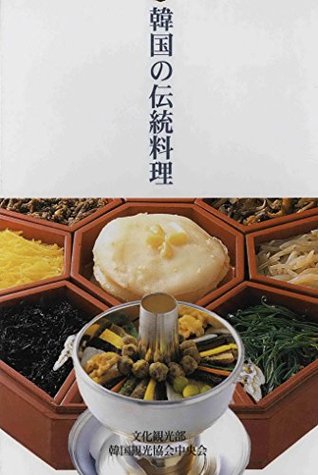
Jul 17, 2019 therefore, a traditional korean table includes dishes or garnitures formed by five colors, most of which are low in calories and full of vegetables.
Bibimpap - rice mixed with fresh vegetables and chili pepper paste bibimbap is probably one of the most famous dishes in korean cuisine.
Eating the local cuisine is one of the best ways to experience a country’s culture. Like most cuisines around the world, traditional korean food has been influenced over the centuries by conquests and the conquerors. Traditional korean foods include subtle elements from japan, mongolia and china that have enhanced the flavour of korean cuisine.
The first to be announced was gaon, a korean fine dining establishment operated by gwangjuyo group, makers of fine korean ceramics, which specializes in traditional royal court cuisine. Its fellow 3-star recipient la yeon, perched on the scenic 23rd floor of the shilla hotel, is known for upholding the time-honored traditions of korean cooking.
While this is not the traditional jap chae that includes meats and vegetables, this one is sweet and delightful.
Most traditional korean meals that include rice will also include some kind of soup or stew, and, when it’s served individually, soup is always placed to the right of the rice bowl. Though you’ll find plenty of crossovers, you can roughly divide this brothy category into soups (guk), thicker stews (jjigae)� and hot pot (jeongol).
The traditional korean food consist of five main colour- green, red, yellow, white, and black. Each of them signify a direction, a natural element, and a health benefit. For those who want to try out korean cuisine and don’t know how to begin, here is a list of all korean dishes to put on your ‘try-it’ list.
Find korean food stock images in hd and millions of other royalty-free stock photos, traditional korean dish- bibimbap: rice with vegetables and beef.
Spicy gochujang mayo is a condiment our family has became obsessed with recently. The basic version of the sauce requires only 2 ingredients! the sauce will add mild tanginess and rich umami with a bit of kick to your favorite french fries, tuna patties, and so much more.
Traditional korean food origins food plays a defining role in korean culture. Asking someone if they’ve eaten is a way of showing care, and sharing a meal together is seen as a way to get to know one another.
Temple food encompasses a variety of delicious plant-based cuisine, usually served in many tiny dishes. Korean buddhism prohibits meat, and also five ‘pungent vegetables’, known as oshinchae (오신채). These are onions, garlic, green onions, leeks and chives, which are thought to act as stimulants and impair meditation.
Discover how traditions and nature have shaped korean lifestyle into what it is today. Discover lifestyle facts and statistics from food, dress, and language to economics, education, and politics including korea's traditional culture.
Traditional korean food is full of flavor and some of the most unique korean dishes are still unknown to many outside korea.
Korean food and drinks add flavor to their traditional lifestyle and rice malt served with kimchi is their specialty. Cold noodles, bibimbap, bulgogi and dakgalbi are some of the world famous korean dishes. However, dining and eating means following a strict protocol.
Mar 24, 2021 unlike western course meal, korean food has main and side dishes. The traditional korean food consist of five main colour- green, red, yellow,.
The k-diet is composed of bab (cooked-rice) and kuk, and various banchan with one serving called bapsang.
Koreans love it and eat it with every meal — usually on the side -– though they also use it as an ingredient in countless other dishes. Kimchi is symbolic of korean culture: it’s strong, distinctive, and defiant. Some foreigners can’t stomach it, but if you can, you will earn the locals’ heartfelt respect.
Qinghegu is a traditional korean bbq restaurant and offers the korean cuisine method of grilling meat such as beef, chicken or pork on charcoal grills. Since its first opening in china in 2008, it has become� the most famous korean restaurant and has been selected as the best korean bbq restaurant for five consecutive years since 2016.
Family members will dress up or wear a hanbok (the traditional korean dress). Everyone will then gather in front of a table prepared for the ancestral rite. The ritual dishes will vary by region, but the common ones are tteokguk (rice-cake soup), rice, meat, seafood, liquor, fruit and vegetables.
The most prominent feature of korean food is its fermented dishes. There is virtually no country with as wide a variety of fermented dishes as korea, with not only.
In traditional recipes, there's scallions, radishes, potatoes, peppers, and more.
Traditional korean cuisine is well-known for its many side dishes (or banchan) that are often served family style for sharing at the table. These side dishes are not just considered to be after-thoughts or additions, but are essential to the meal itself.
Chuncheon dakgalbi is another of those traditional korean dishes for those people who love fried meat. This dish combines marinated chicken with a bunch of vegetables, rice cake (tteok 떡), chili paste sauce, and other spices. You can also add in noodles and cheese to make it more filling.
Korean cuisine relies on a variety of sauces and pastes, the most common of which include: gochugaru:.
Korean cuisine is largely based on rice, vegetables, and (at least in the south) meats. Traditional korean meals are named for the number of side dishes (반찬;.
The korean wave is expanding into other cultural areas such as food and culinary traditions. Restaurants serving traditional korean dishes began to open in the world’s largest metropolises such as new york, london, and paris, attracting praise even from the choosiest gourmets.
Rice, vegetables, and meats feature prominently in korean cuisine. Traditional korean meals are preceded by a number of small side dishes called banchan and kimchi is served at almost every meal. Because of korea’s geographic location in northeast asia, it experiences four distinct seasons – spring, summer, autumn, and winter.
Korean new year food – traditional and authentic korean new year foods. Whether you celebrate the new year based on the lunar calendar or not, or whether you celebrate both (we kind of do), korean new year foods are just part of the celebration.
Traditional fermentation of food doenjang (soybean paste) and ganjang (soy sauce) gochujang (korean chili paste) bibimbap bulgogi tteok (rice cake).
Learn more about the culture and traditional korean dishes with a delightful host.
The restaurant serves traditional korean barbecue using charcoal grills. Seo ra beol offers classic dishes beyond its barbecue menu, like bibimbap, hearty and spicy stews, and a seafood pancake.
If you make a lot of korean food at home, you might want to invest in a bottle or two (or three) of korean-style soy sauce, such as traditional joseon-ganjang (also known as guk-ganjang or “soup soy sauce”), naturally brewed yangjo-ganjang, or the standard jin-ganjang, which is similar to japanese-style soy sauce.
As a traditional korean dish, tteok galbi comes with a ton of banchan (side dishes) with big chucks of meat placed as the centerpiece. 8) kimchi fried rice / kimchi boggeumbap / 김치 볶음밥 kimchi boggeumbap doesn’t have that strong kimchi taste you get with plain old kimchi.
A decades-old debate over “territory infringement” in the medical sector is being revived, following plans by traditional korean medicine doctors to use x-ray machines and administ.
Mar 13, 2018 traditionally, koreans do not distinguish between breakfast, lunch or dinner.
If you ask any korean what are those food items that truly represent the traditional korean food, well, the answer would obviously be korean kimchi and fermented sauces. Another must thing to know is that koreans use varieties of seasonings that are made of scallions, soy sauce, pepper, sesame oil, garlic, and red pepper powder.
Korean cuisine is the customary cooking traditions and practices of the culinary arts of korea. Korean cuisine has evolved through centuries of social and political change. Originating from ancient agricultural and nomadic traditions in korea and southern manchuria, korean cuisine has evolved through a complex interaction of the natural environment and different cultural tren.
China, which distorted korean hanbok and arirang as chinese culture, is now distorting korean traditional food, kimchi as chinese food. On november 29, 2020, china’s state-run media, global times(环球时报), took a post from a site called fengwen(hearsay) community(风闻社区), a platform operated by chinese media, guancha syndicate.
For a long time, traditional korean food have been eating ocean depths, items in the fields and mountains.
Aug 13, 2017 i love looking at the beautiful palaces in korea and experiencing the ancient traditional culture the country has to offer.
Korean cuisine evolved through years of social and political changes. Unlike western course meal, korean food has main and side dishes. The traditional korean food consist of five main colour- green, red, yellow, white, and black. Each of them signify a direction, a natural element, and a health benefit.
Foodmainspasta and i genuinely believe that korean bars make the most delicious korean food.
Korean bbq is considered as the most popular traditional korean food. This method follows korean cuisine in which the meat, beef, or chicken is grilled on the gas stove or the charcoal grills that are inlaid into the dining table.
Jun 25, 2015 the common people mostly had three meals a day and each meal consisted of one bowl of bap (rice), one bowl of guk (watery soup), one bowl.
Insadong is a gastronomic destination to try both old and new korean food. In the mix of traditional teahouses and quaint little shops, the winding alleyways are also home to many notable restaurants. You can taste anything from temple food (see #2) to korean barbecue to hand-pulled noodles.
In this post, we highlight traditional korean food that is unique to korea. There are so many dishes that make up traditional korean food we don’t even know where to begin! from kimchi to bibimbap to galbi, people all over the world have taken a keen liking to the culinary creations of korea.
Traditional food of kfv is a hearty product of the recipe of the artisan who has inherited from a possessor of the skill combined with the taste and quality of the traditional food discovered jointly with korean food research society in efforts to keep the time-honored culinary tradition of the country.
Post Your Comments: